
Fluoride Treatments in Pleasant Hill, CA
- Modern Technology
- Cosmetic Dentistry
- Personalized Care
- Crafted Smiles
- Natural Results
- Same-Day Solutions
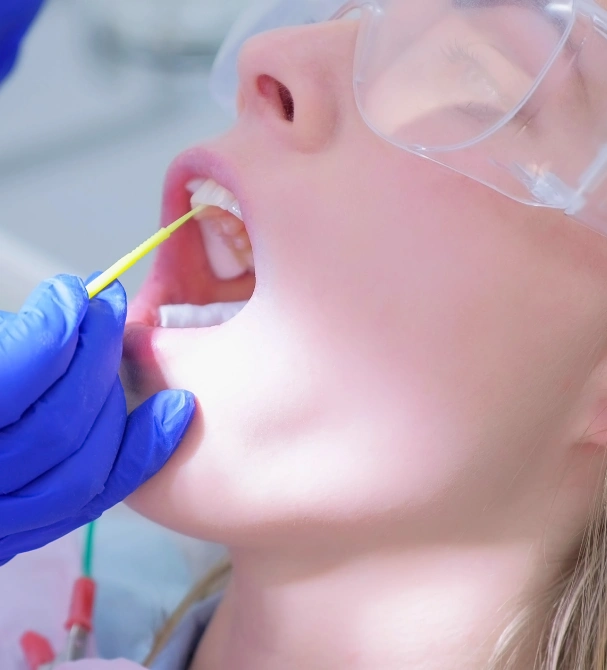
Stronger Enamel, Lower Cavity Risk
Professional fluoride treatments strengthen tooth enamel by replenishing the minerals that daily acid exposure, dietary habits, and bacterial activity deplete over time. Applied in minutes at the end of a cleaning, professional fluoride delivers a concentration that home toothpaste cannot match. Patients in Pleasant Hill who commute northbound on I-680 into the Bay Area or walk to the Pleasant Hill BART station each morning are often reaching for coffee from Peet’s before 8 a.m., and those daily acid exposures compound quietly against enamel. Add in the dry mouth that comes with antihistamines used through Contra Costa County’s extended spring allergy season, and the cumulative mineral loss becomes measurable before most patients notice it.
At Cosmetic Dental Spa Ricardo M. Perez, DDS, we offer dental fluoride treatments in Pleasant Hill, CA, as part of a preventive approach calibrated to each patient’s individual risk profile.
What Are Professional Fluoride Treatments?
Professional fluoride treatment delivers a high-concentration mineral application directly to the tooth surface in the dental office, far exceeding the fluoride content of over-the-counter toothpastes or rinses. Fluoride integrates into the enamel crystal structure, making teeth more resistant to the acid attacks that cause cavities and reversing the earliest stages of mineral loss before they become visible as decay.
The application is painless, takes only a few minutes, and is usually completed at the end of a routine cleaning appointment. It requires no drilling, anesthesia, or recovery time.
What Can Fluoride Treatments Address?
Cavity Prevention
Fluoride strengthens enamel at the molecular level, making teeth more resistant to the acids that bacteria produce after you eat.
Early-Stage Enamel Breakdown
When demineralization has begun but has not yet progressed to a cavity, fluoride can reverse the process by restoring mineral content to weakened areas before drilling becomes necessary.
Tooth Sensitivity
Weakened or thinning enamel exposes the underlying dentin, which is more reactive to temperature and pressure. Fluoride strengthens that enamel layer and reduces the nerve response that causes sensitivity to hot, cold, or sweet foods and drinks.
Dry Mouth Effects
Saliva is the mouth’s natural defense against acid and bacteria. Patients taking medications that reduce saliva flow, including antihistamines, blood pressure medications, and antidepressants, lose that protection and face an elevated decay risk that fluoride helps offset.
Who Are Fluoride Treatments For?
Adults with a history of frequent cavities, even with consistent home care
Patients taking medications that cause dry mouth and reduce the natural protection saliva provides
Anyone with gum recession that has exposed root surfaces is at increased decay risk
Patients undergoing orthodontic treatment, where brackets and wires create areas that are harder to keep clean
Adults with early-stage enamel erosion, where remineralization is still possible
Anyone who consumes acidic beverages regularly, including coffee, carbonated drinks, and citrus
When Are Fluoride Treatments Not the Right Fit?
Fluoride treatments are appropriate for most patients, but there are a few situations where the recommendation may be adjusted or deferred. The consultation will determine the right approach.
Active, untreated cavities are present
Fluoride supports prevention and early-stage remineralization, but it cannot reverse a cavity that has already formed through the enamel. Restorative treatment with a filling should be the first option.
The patient has a fluoride allergy or sensitivity
Rare, but if a prior reaction has occurred, alternative preventive strategies should be discussed.
Fluoride intake is already very high from other sources
Patients using prescription-strength fluoride toothpaste, fluoride supplements, or living in areas with high natural fluoride levels may not need an additional professional application at every visit. Your provider will consider total fluoride exposure.
Our Fluoride Treatment Process
Risk Assessment
Your provider evaluates your cavity history, current diet and medication use, enamel condition, and home fluoride routine to determine whether professional fluoride treatment is indicated and, if so, at what frequency.
Cleaning
Fluoride is most effective when applied to clean tooth surfaces. A professional cleaning is performed first to remove plaque and tartar, so the fluoride can have direct contact with the enamel.
Fluoride Varnish Application
Fluoride varnish is applied to the tooth surfaces with a small brush. It adheres on contact, sets quickly, and does not require trays or extended holding time.
Follow-Up and Frequency
The recommended fluoride application interval is reviewed at each cleaning based on your current cavity risk.
Before and After Your Appointment
Before Your Appointment
- No special preparation is required; fluoride is typically applied at the end of your cleaning.
- Inform your provider if you use prescription fluoride products at home, so total exposure is factored in.
- Let the team know if you have a history of sensitivity to fluoride varnish or other dental materials.
After Your Appointment
- Avoid eating or drinking for 30 minutes after the application.
- Avoid very hot beverages, hard foods, and alcohol-based mouthwash for the rest of the day.
- Do not brush your teeth for at least 4 hours after varnish application; waiting until the next morning provides the maximum contact time.
- A slightly sticky or waxy feeling on the teeth after application is normal and resolves with your next brushing.
Why Choose Dr. Perez for Preventive Dental Care?
Preventive care at Cosmetic Dental Spa Ricardo M. Perez, DDS, is not a checklist. Fluoride is selected and recommended based on your individual enamel condition, cavity history, medication profile, and home care routine.
For patients who have continued to develop cavities despite consistent brushing, the conversation goes further than just applying fluoride. Diet patterns, dry mouth contributors, and brushing technique all factor in. That level of attention to preventive care is part of what makes this practice different from the standard experience, and why patients across the Contra Costa area stay with the practice long-term.
Frequently Asked Questions
How often should you get a fluoride treatment at the dentist?
Most adults benefit from fluoride treatment twice a year, at each cleaning appointment. Patients with high cavity risk, dry mouth, gum recession, or active enamel erosion may be advised to use it more frequently.
Do you still need professional fluoride if you use fluoride toothpaste?
Yes, professional fluoride is significantly more concentrated and contacts the enamel more effectively. Home toothpaste provides daily low-dose protection, while professional varnish provides periodic high-dose remineralization.
How long does a fluoride treatment take?
The application itself takes two to three minutes. It is completed at the end of your cleaning appointment. The only requirement afterward is to avoid food, drink, and brushing for a short window to allow the varnish to fully absorb into the enamel.
How much does a fluoride treatment cost?
Fluoride treatment is one of the lower-cost preventive services and is often included in a cleaning appointment. When covered as a preventive benefit, your out-of-pocket cost may be minimal or none. For patients whose insurance does not cover adult fluoride, the fee is typically straightforward and discussed before the appointment.
Does Dr. Perez accept insurance?
Yes, coverage frequency varies. Many plans cover fluoride for patients up to a certain age, while others extend coverage to adults with documented high cavity risk. If your plan limits fluoride to a specific age range or visit frequency, the team will let you know your out-of-pocket cost before the treatment is applied.
A Few Minutes of Prevention For Long-Term Protection
Professional fluoride is one of the simplest things you can do for your teeth, and for patients managing elevated cavity risk, it is one of the most effective. At Cosmetic Dental Spa Ricardo M. Perez, DDS in Pleasant Hill, CA, fluoride is part of a preventive approach built around your specific risk profile. Schedule your next cleaning today and ask about fluoride treatment.
Cosmetic Dental Spa Ricardo M. Perez, DDS
Dentistry Powered by Innovation
3D DIGITAL IMAGING
Cone beam imaging captures detailed three-dimensional views of teeth, roots, and bone that standard X-rays cannot provide.
CEREC SAME-DAY CROWNS
Chairside CAD/CAM technology designs and mills permanent ceramic crowns in the office, completing the entire restoration process in a single visit without temporaries or lab waiting periods.
Intra-oral Scanning
Digital impressions replace the discomfort of traditional impression trays with a quick, precise 3D scan of the teeth, supporting planning and accurate treatment previews.
Diode Laser Technology
Laser-assisted procedures enable precise gum contouring, soft tissue treatment, and selected periodontal procedures with reduced bleeding and faster healing.