
Dental Bonding in Pleasant Hill, CA
- Modern Technology
- Cosmetic Dentistry
- Personalized Care
- Crafted Smiles
- Natural Results
- Same-Day Solutions
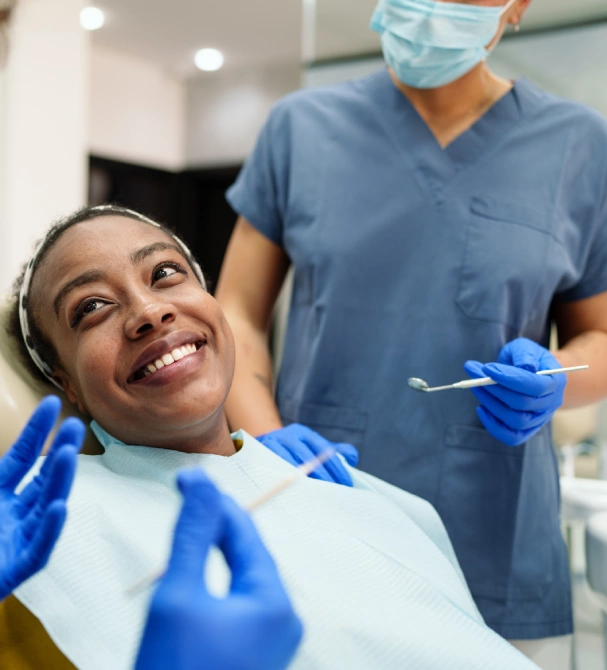
Minor Imperfections Corrected in a Single Visit
Dental bonding repairs chips, closes small gaps, reshapes misaligned teeth, and covers surface discoloration using tooth-colored composite resin applied directly in the office, with most cases completed in one appointment and without removing healthy tooth structure. For patients who want a noticeable cosmetic improvement without the preparation and timeline of veneers, bonding is the most direct path. Whether the concern is a front tooth chipped during a trail ride on the Contra Costa Canal Trail or a gap that has bothered you since the last time you were on camera during a video call from your Walnut Creek office, the fix is faster than most patients expect, and it fits into a single afternoon.
At Cosmetic Dental Spa Ricardo M. Perez, DDS, we offer dental bonding in Pleasant Hill, CA, for patients seeking precise, same-day cosmetic results.
What Is Dental Bonding?
Tooth bonding is a cosmetic procedure in which composite resin, a durable material matched to the shade of your natural teeth, is applied, shaped, and hardened onto the tooth surface to improve its appearance. Unlike porcelain veneers, which require laboratory fabrication over multiple visits, bonding is completed chairside in a single appointment and does not typically require anesthesia or significant enamel removal.
The composite material adheres directly to the tooth structure and is sculpted to the desired shape before being cured with a specialized light. Once hardened, it is polished to blend with the surrounding teeth. The result is a natural-looking repair or enhancement that holds up well under normal daily use.
What Can Dental Bonding Address?
Chipped or Fractured Teeth
Small chips along the edge of a front tooth are among the most common bonding applications. The composite restores the tooth’s original contour and appearance in a single visit, without the need for a crown.
Minor Gaps Between Teeth
Bonding can close small spaces between front teeth without orthodontic treatment, producing a more uniform smile line for patients whose primary concern is appearance rather than bite function.
Tooth Discoloration That Whitening Cannot Resolve
Surface staining from certain medications, excess fluoride during development, or trauma may not respond to whitening. Bonding covers the discolored area with a shade-matched composite that blends with the natural tooth.
Misshapen or Disproportionate Teeth
Teeth that appear too small, pointed, or uneven relative to the surrounding smile can be contoured and rebuilt with composite to create a more balanced, proportional appearance.
Who Is Bonding For?
Patients with a single chipped, cracked, or worn tooth that does not require a crown
Anyone with isolated discoloration that whitening has not resolved
Patients who want to close a minor gap between front teeth without orthodontic treatment
Individuals looking for a conservative, reversible cosmetic option with no enamel removal
Anyone who wants a same-day result without the lab turnaround and cost of a veneer
When Is Bonding Not the Right Fit?
Bonding is effective for isolated, smaller-scale cosmetic concerns. It has limitations worth understanding before committing.
You want to address multiple teeth with more dramatic results
Porcelain veneers offer greater durability, more precise customization, and longer-lasting results for patients who are treating several teeth at once.
Significant bite force or grinding is a factor
Composite resin is more susceptible to chipping under heavy occlusal stress than porcelain or ceramic. A nightguard or bruxism assessment may need to accompany or precede bonding.
The concern involves structural damage below the gumline
A crown is the appropriate restoration when the damage extends into the root or involves significant structural compromise.
Our Dental Bonding Process
Shade Selection
The shade of the composite is matched to the surrounding teeth so the bonded area blends naturally. We assess the tooth in the context of your full smile to select the most accurate match.
Tooth Preparation
The tooth surface is lightly conditioned to enhance composite adhesion. In most cases, no anesthesia is required, and no enamel is removed. The preparation is minimal by design.
Application and Sculpting
The composite resin is applied in layers, shaped, and sculpted directly on the tooth. This step requires both technical precision and an eye for proportions, particularly for visible front teeth.
Curing and Polishing
The material is hardened with a curing light, then polished to match the sheen of the surrounding enamel. Final adjustments to shape and bite are made before you leave the appointment.
Before and After Your Appointment
Before Your Appointment
- If you are considering both whitening and bonding, complete the whitening first. Composite resin does not change shade with whitening agents, so the bonding shade needs to be matched to your post-whitening tooth color.
- Mention any grinding habits so Dr. Perez can advise on whether a nightguard is recommended to protect the bonding.
After Your Appointment
- Avoid hard foods, ice chewing, and biting fingernails, which can chip composite resin just as they can chip natural enamel.
- Limit heavy staining beverages for 48 hours after the procedure, while the surface polish is at its most porous.
- Bonded teeth can be polished, and touch-ups made at future appointments if minor wear or chipping occurs over time.
Why Choose Dr. Perez for Dental Bonding?
Composite bonding is a technique-sensitive procedure where the outcome depends on the provider’s ability to sculpt, blend, and proportion the material so it reads as natural. Dr. Perez’s cosmetic training extends to the fine aesthetic judgments that make bonding work well on visible teeth: the right shade, the right translucency, the right contour relative to the surrounding smile.
Patients who have seen bonding done elsewhere that looks opaque, patchy, or poorly proportioned understand the difference a skilled application makes. This practice’s cosmetic-focused approach means the same attention that goes into veneer design goes into every bonding case.
Frequently Asked Questions
How long does dental bonding last?
With proper care, composite bonding typically lasts three to seven years before requiring a touch-up or replacement. Longevity depends on the location of the bonding, the forces placed on it, and how well it is maintained.
Does dental bonding look natural?
Yes, when done well. Modern composite materials closely mimic the translucency and light-reflecting properties of natural enamel. The result depends on careful shade matching and the provider’s ability to sculpt the material with attention to texture and proportion.
Is dental bonding painful?
No. Most bonding procedures require no anesthesia because minimal or no tooth preparation is involved. Patients are typically comfortable throughout the appointment.
Does Dr. Perez accept insurance?
Yes, depending on your coverage. When bonding is used to repair a fractured tooth or cover an exposed root surface, the coverage may be partial, depending on your plan’s definition of restorative versus cosmetic treatment. The team verifies benefits before your appointment.
How much does dental bonding cost?
Cost depends on the number of teeth treated, the size and location of each repair, and the complexity of the shaping required. Factors affecting your total include whether anesthesia is needed, any shade adjustments, and the time required to sculpt the final shape.
Confident Smile, Same-Day Results
If a chip, gap, or discoloration has been bothering you, bonding is often the fastest and most conservative path to addressing it. At Cosmetic Dental Spa Ricardo M. Perez, DDS in Pleasant Hill, CA, same-day cosmetic improvements are a realistic option for many patients. Reach out today to schedule your consultation.
Cosmetic Dental Spa Ricardo M. Perez, DDS
Dentistry Powered by Innovation
3D DIGITAL IMAGING
Cone beam imaging captures detailed three-dimensional views of teeth, roots, and bone that standard X-rays cannot provide.
CEREC SAME-DAY CROWNS
Chairside CAD/CAM technology designs and mills permanent ceramic crowns in the office, completing the entire restoration process in a single visit without temporaries or lab waiting periods.
Intra-oral Scanning
Digital impressions replace the discomfort of traditional impression trays with a quick, precise 3D scan of the teeth, supporting planning and accurate treatment previews.
Diode Laser Technology
Laser-assisted procedures enable precise gum contouring, soft tissue treatment, and selected periodontal procedures with reduced bleeding and faster healing.