
Invisalign® & Clear Aligners in Pleasant Hill, CA
- Modern Technology
- Cosmetic Dentistry
- Personalized Care
- Crafted Smiles
- Natural Results
- Same-Day Solutions
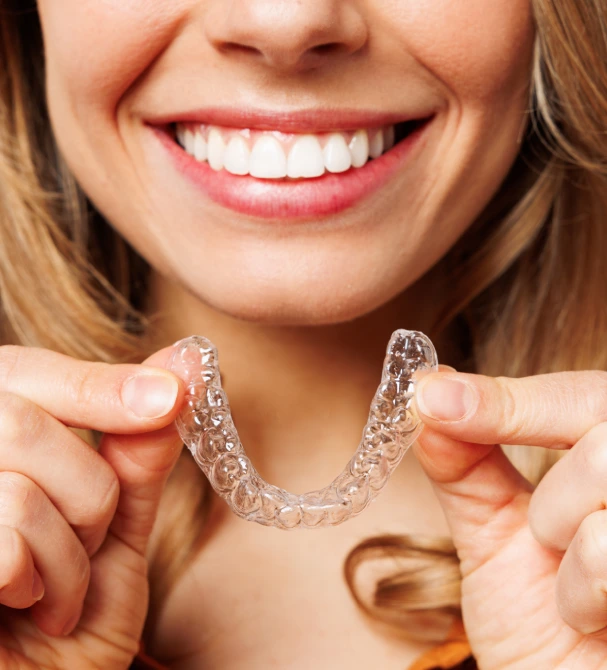
Straighter Teeth Without the Metal
Invisalign® and clear aligner therapy gradually shift teeth into proper alignment using a series of custom-fabricated, removable trays, correcting crowding, spacing, crossbites, overbites, and underbites without metal brackets or wires. For professionals who commute through the Pleasant Hill BART station into San Francisco or Oakland and spend their days in client-facing roles, the visibility of a traditional metal appliance is a real consideration. Clear aligners are removed for meals, presentations, and photos, and do not alter a professional appearance. For patients in the Contra Costa corridor managing careers and social lives in parallel, that practical flexibility is what makes the decision to finally address their alignment feel achievable rather than disruptive.
At Cosmetic Dental Spa Ricardo M. Perez, DDS, we provide Invisalign® and clear aligner treatment in Pleasant Hill, CA, for teens and adults who want effective orthodontic correction with minimal visibility.
What Is Invisalign® and Clear Aligner Therapy?
Clear aligner therapy uses a sequence of custom-made, transparent plastic trays, each worn for approximately one to two weeks, to incrementally move teeth toward their target positions. Each tray in the series is slightly different from the one before it, applying controlled, gentle pressure to specific teeth at specific stages of the treatment plan.
The process begins with a digital scan of the teeth, which is used to map the full treatment sequence in 3D before any trays are fabricated. This allows both the patient and provider to preview the anticipated outcome before committing to treatment.
What Can Invisalign® and Clear Aligners Address?
Crowded Teeth
When teeth overlap or are pushed out of position due to insufficient jaw space, clear aligners create the gradual spacing changes needed to establish a cleaner, more functional alignment.
Gapped Teeth
Spaces between teeth, whether due to a missing tooth, natural spacing, or asymmetric growth, can be partially or fully closed depending on the size of the gap and the surrounding bite.
Overbite
When the upper front teeth extend too far over the lower teeth, the resulting relationship can cause uneven wear and, in some cases, soft-tissue trauma. Aligners reposition the teeth to improve the bite relationship.
Underbite
When the lower teeth sit in front of the upper teeth, proper jaw function and enamel wear are affected. Aligner therapy can address mild to moderate underbites.
Crossbite
When the upper teeth sit inside the lower teeth instead of outside them, it creates uneven forces on individual teeth and jaw joints. Aligners move the affected teeth into the correct transverse relationship.
Who Is Invisalign® For?
Adults and teens who have mild to moderate crowding, spacing, or bite issues who prefer a less visible orthodontic option
Patients with an existing retainer or prior braces treatment who have experienced relapse and want a corrective solution
Individuals whose careers or social lives make a visible metal appliance impractical
Anyone looking to combine orthodontic correction with cosmetic dental treatment, as proper alignment often improves how veneers, bonding, or whitening results turn out
Patients who value the convenience of a removable appliance for eating and cleaning
When Is Invisalign® Not the Right Fit?
Clear teeth aligners or invisible braces are effective for a broad range of cases, but not every alignment concern is best addressed with trays alone.
Severe skeletal discrepancies
Significant jaw misalignment, particularly when the size or position of the jaw itself is the primary driver, may require surgical orthodontic treatment that clear aligners cannot accomplish.
Complex rotation or vertical movement
Certain tooth movements are more difficult to achieve predictably with aligner therapy. Dr. Perez will assess whether the planned movements are within the reliable range for clear aligners.
Compliance is a concern
Clear aligners require consistent wear of 20 to 22 hours daily. Patients who are unlikely to maintain that schedule will not achieve the planned result. The removability that makes Invisalign® appealing is also the variable that most affects outcomes.
Our Invisalign® Process
Digital Scan and Treatment Preview
An intraoral digital scan replaces the need for physical impressions. The scan is used to generate a 3D simulation of the full treatment sequence, so you can see the anticipated movement of your teeth before committing to treatment.
Tray Fabrication and Delivery
Your custom aligner series is fabricated and delivered in a set. Depending on the case, you receive your full set upfront or in stages. We will walk you through the wear schedule, attachment placement (if used), and what to expect at each stage.
Progress Monitoring
Regular check-in appointments confirm that teeth are tracking as planned. If any tooth is not moving as expected, adjustments can be made to the subsequent trays before the discrepancy affects the overall outcome.
Retainers
After active aligner treatment ends, retainers maintain the achieved position. Teeth continue to want to shift after orthodontic treatment, and consistent retainer use is what preserves the result long-term.
Before and After Your Appointment
Before Your Appointment
- Note any current symptoms, including jaw soreness, biting discomfort, or prior orthodontic treatment, so that they can be factored into the evaluation.
- If cosmetic treatment is also planned, the sequence matters. Your provider will advise on whether alignment should precede or follow whitening, bonding, or veneer work.
After Your Appointment
- Clean aligners with a soft toothbrush and lukewarm water. Avoid hot water, which can warp the plastic, and scented soaps, which can leave a residue.
- Brush and floss properly after every meal before reinserting trays. Food particles trapped under trays increase the risk of decay.
- Keep your previous set of trays accessible until you are confident the current set fits properly. They serve as a backup if the current tray is lost or damaged.
Why Choose Dr. Perez for Invisalign® and Clear Aligners?
Orthodontic planning here draws on Dr. Perez’s background in cosmetic dentistry and bite analysis. Alignment decisions are made with awareness of how changes affect the overall smile, the bite relationship, and the success of any concurrent cosmetic work. Patients considering Invisalign® alongside veneers or bonding benefit from a treatment plan that sequences each step to achieve the best combined outcome.
The digital scan, 3D treatment preview, and clear communication about what aligners can and cannot accomplish for a specific case give patients a level of confidence in the process that is hard to replicate with a one-size approach.
Frequently Asked Questions
How long does Invisalign® treatment take?
Treatment length depends on the case’s complexity. Mild corrections may be completed in six to twelve months. More complex alignment changes can take eighteen months to two years. Your digital treatment preview gives an estimated timeline before you begin.
Is Invisalign® as effective as traditional braces?
For mild to moderate cases, yes. Clear aligner technology has expanded the range of movements achievable, but complex cases still benefit from traditional orthodontics. The right recommendation depends on your specific alignment concerns and the movements required to address them.
Does Invisalign® hurt?
New trays apply pressure to the teeth being moved, and mild soreness for the first day or two after switching to a new tray is normal. It typically resolves quickly and differs in character from the more persistent discomfort that metal brackets and wires can cause.
Does Dr. Perez accept insurance?
Some dental insurance plans include orthodontic coverage for Invisalign®. Lifetime orthodontic maximums and age restrictions vary by plan. The team verifies your orthodontic benefits before treatment begins.
How much does Invisalign® cost?
Cost depends on the complexity of the case, the number of aligners in the series, and whether refinements are needed after the initial series is complete. Factors affecting your total include case complexity, attachments, and the length of the active treatment phase.
The Alignment You Want With The Visibility You Prefer
Clear aligner therapy delivers real orthodontic results with a profile that fits into normal life without announcement. At Cosmetic Dental Spa Ricardo M. Perez, DDS in Pleasant Hill, CA, treatment is planned with your full smile in mind. Schedule your consultation today.
Cosmetic Dental Spa Ricardo M. Perez, DDS
Dentistry Powered by Innovation
3D DIGITAL IMAGING
Cone beam imaging captures detailed three-dimensional views of teeth, roots, and bone that standard X-rays cannot provide.
CEREC SAME-DAY CROWNS
Chairside CAD/CAM technology designs and mills permanent ceramic crowns in the office, completing the entire restoration process in a single visit without temporaries or lab waiting periods.
Intra-oral Scanning
Digital impressions replace the discomfort of traditional impression trays with a quick, precise 3D scan of the teeth, supporting planning and accurate treatment previews.
Diode Laser Technology
Laser-assisted procedures enable precise gum contouring, soft tissue treatment, and selected periodontal procedures with reduced bleeding and faster healing.