Sedation Dentistry in Pleasant Hill, CA
- Modern Technology
- Cosmetic Dentistry
- Personalized Care
- Crafted Smiles
- Natural Results
- Same-Day Solutions
Dental Care That Works Around Your Anxiety
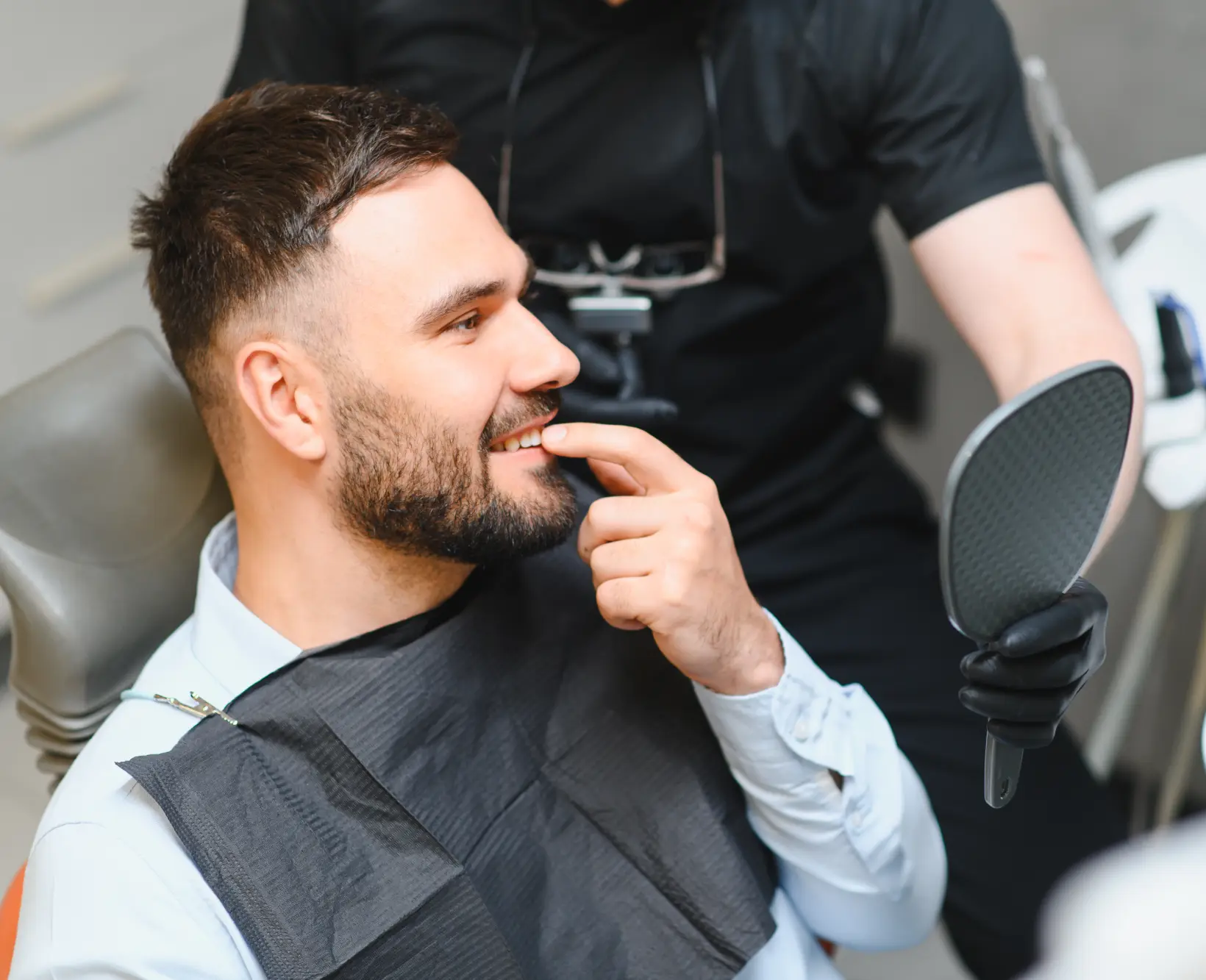
Sedation dentistry uses medication to help patients remain calm, comfortable, and cooperative during dental procedures, without requiring general anesthesia. Dental avoidance is one of the most consistent reasons oral health deteriorates over time, and the problem compounds: the longer treatment is delayed, the more involved it becomes. In the professional corridor between Pleasant Hill and Walnut Creek, where the standard is to push through discomfort and reschedule everything non-urgent, dental appointments are often the first thing deferred and the last thing rescheduled. For patients who leave work early to beat the I-680 bottleneck at the Monument interchange and still manage to put off the dentist, that pattern has real clinical consequences.
At Cosmetic Dental Spa Ricardo M. Perez, DDS, we offer sedation dentistry in Pleasant Hill, CA, for patients who want to make dental appointments more manageable, regardless of their level of anxiety.
What Is Sedation Dentistry?
Dental sedation involves the use of medication to reduce the anxiety, discomfort, or hyperawareness that makes dental treatment difficult for some patients. It is not the same as general anesthesia: most sedated patients remain conscious and can respond to prompts, but they are in a significantly more relaxed state that allows treatment to proceed without the physical tension and distress that dental anxiety typically creates.
Sedation options vary in depth. Nitrous oxide provides mild, short-acting relaxation that wears off quickly. Oral sedation uses a prescribed medication taken before the appointment to produce deeper relaxation. The appropriate option depends on the patient’s anxiety level, medical history, the complexity of the planned treatment, and how much of the appointment needs to be completed in a single visit.
What Can Sedation Dentistry Address?
Dental Anxiety and Phobia
Patients who experience significant fear before or during dental appointments often avoid care until problems become unavoidable. Sedation removes the emotional and physical barriers that make it feel impossible to show up and sit in the chair.
Sensitive Gag Reflex
A pronounced gag reflex can make standard procedures, including impressions, X-rays, and cleanings, uncomfortable or technically difficult. Sedation reduces the reflex response enough that treatment can be completed without repeated interruptions.
Low Pain Threshold
Some patients experience heightened sensitivity even with adequate local anesthesia. Sedation promotes a calmer physical state, making dental treatment significantly more tolerable.
Extended or Complex Appointments
Patients who need multiple procedures completed in a single visit or who require lengthy restorative or surgical work benefit from sedation that allows them to remain still and comfortable throughout the appointment.
Who Is Dental Sedation For?
Patients who have avoided and are hesitant of dental care due to anxiety, fear of pain, or a previous traumatic experience
Anyone with a sensitive gag reflex that interferes with routine procedures
Patients with special needs or conditions that make sustained cooperation during a dental appointment challenging
Individuals with significant dental work to complete who want to minimize the number of separate appointments
Anyone who simply wants a calmer, more comfortable experience, even for routine care
When Is Sedation Not the Right Fit?
Sedation is appropriate for most medically stable adults, but certain conditions require evaluation before proceeding.
You have uncontrolled respiratory conditions
Sleep apnea, severe asthma, or other breathing concerns require a careful review before any sedation is administered.
Your medical history includes contraindicated medications
Some sedation agents interact with specific medications or conditions. A full health history review is required before any sedation is prescribed.
You are pregnant
Elective sedation is deferred during pregnancy. Emergency dental care involving sedation requires physician coordination.
Our Sedation Dentistry Process
Consultation and Health History Review
Before any sedation is prescribed, we will review your medical history, current medications, and the dental treatment being planned. This step confirms the appropriate sedation level and flags any contraindications.
Pre-Appointment Instructions
You will receive specific instructions based on the sedation type selected. For oral sedation, this typically includes fasting guidelines and transportation arrangements, as you will not be able to drive yourself to or from the appointment.
Appointment and Monitoring
Throughout the procedure, your comfort and responses are continuously monitored. Local anesthesia is still used to ensure the treatment area is numb. Sedation addresses the anxiety and physical tension, not pain directly.
Recovery and Discharge
Nitrous oxide clears from the system quickly, and patients can usually drive themselves home once the gas has been turned off and they have sat quietly for several minutes. Oral sedation requires a designated driver and a quiet recovery period at home for the remainder of the day.
Before and After Your Appointment
Before Your Appointment
- Provide a complete and accurate medical history, including all current medications, supplements, and any prior reactions to sedation or anesthesia.
- Arrange for a trusted person to drive you to and from the appointment if oral sedation is planned.
- Follow fasting instructions precisely if provided. Eating or drinking before certain types of sedation can create safety risks.
After Your Appointment
- Plan to rest for the remainder of the day if oral sedation was used. Do not drive, or make important decisions while residual sedation effects are present.
- A light meal after the appointment is fine once the numbness from local anesthesia has cleared.
- Contact the office if you experience any unusual symptoms in the hours following the appointment.
Why Choose Dr. Perez for Sedation Dentistry?
The environment at Cosmetic Dental Spa Ricardo M. Perez, DDS, is designed to ease anxiety in mind from the moment you arrive. The spa-like setting, calm pace, and patient-centered communication are intentional choices that make a real difference for patients who have had difficult experiences elsewhere. Sedation is available as a tool that supports that environment, not a substitute for it.
Patients who have avoided the dentist for years consistently find that this practice feels different. The first appointment is often the hardest, and the team understands that. Clear communication, no judgment about gaps in care, and a provider who explains everything before doing it are the standard here.
Frequently Asked Questions
What is sedation dentistry, and how does it work?
Sedation dentistry uses medication to help patients relax during dental procedures. Depending on the type, it reduces anxiety, physical tension, and sensory awareness while the patient typically remains conscious and able to communicate.
Is sedation dentistry safe for anxious patients?
Yes, for medically appropriate candidates. A thorough health history review is performed before any sedation is recommended. Patients with certain respiratory conditions, medication interactions, or other contraindications are evaluated carefully.
What types of dental sedation are available?
Options vary by practice. Nitrous oxide provides mild, fast-acting relaxation that clears quickly. Oral sedation uses a prescribed medication taken before the appointment for a deeper, longer-lasting calm.
Does Dr. Perez accept insurance?
Yes. Coverage for sedation varies significantly by plan. The team will clarify what your plan covers before the appointment.
How much does dental sedation cost?
Cost depends on the type of sedation, the length of the appointment, and whether the procedure is covered under your dental plan. Factors affecting your total include the sedation method used and any pre-sedation consultation requirements.
Care That Meets You Where You Are
Cosmetic Dental Spa Ricardo M. Perez, DDS
Dentistry Powered by Innovation
3D DIGITAL IMAGING
Cone beam imaging captures detailed three-dimensional views of teeth, roots, and bone that standard X-rays cannot provide.
CEREC SAME-DAY CROWNS
Chairside CAD/CAM technology designs and mills permanent ceramic crowns in the office, completing the entire restoration process in a single visit without temporaries or lab waiting periods.
Intra-oral Scanning
Digital impressions replace the discomfort of traditional impression trays with a quick, precise 3D scan of the teeth, supporting planning and accurate treatment previews.
Diode Laser Technology
Laser-assisted procedures enable precise gum contouring, soft tissue treatment, and selected periodontal procedures with reduced bleeding and faster healing.