
TMJ Treatment in Pleasant Hill, CA
- Modern Technology
- Cosmetic Dentistry
- Personalized Care
- Crafted Smiles
- Natural Results
- Same-Day Solutions
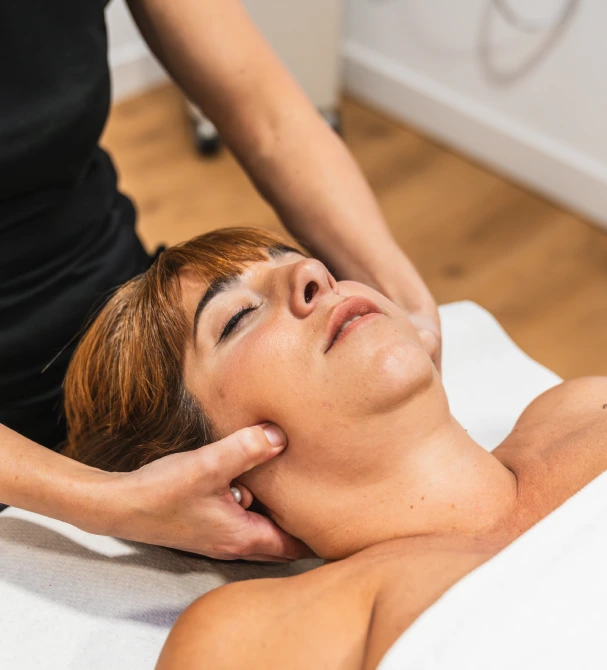
Relief for Jaw Pain, Clicking, and Bite-Related Tension
TMJ treatment addresses jaw pain, limited movement, clicking, and morning tension caused by temporomandibular joint dysfunction through a range of targeted approaches. The temporomandibular joint is one of the most continuously used joints in the body, and when it is under chronic stress, the effects extend well beyond the jaw: headaches, ear pressure, neck tension, and disrupted sleep are common downstream consequences. In the Contra Costa corridor, where I-680 commutes into the Bay Area regularly run from 30 minutes to over an hour each direction, the combination of sustained jaw clenching at the wheel and the accumulated stress of a demanding professional schedule drives an increase in TMJ symptoms.
At Cosmetic Dental Spa Ricardo M. Perez, DDS, we offer TMJ disorder treatment in Pleasant Hill, CA, starting with a thorough assessment of what is actually generating the dysfunction.
What Is TMJ Disorder?
The temporomandibular joint connects the lower jaw to the skull directly in front of each ear. It allows the hinge and sliding movements involved in chewing, speaking, and opening the mouth wide. TMJ disorder, also called TMD (temporomandibular dysfunction), is an umbrella term covering problems with the joint itself, the surrounding muscles, or both.
The most common drivers are bruxism (nighttime grinding), daytime clenching, bite misalignment that places uneven stress on the joint, disc displacement within the joint capsule, and muscle tension from stress. Because multiple factors often contribute simultaneously, effective treatment requires identifying which are present rather than applying a standard protocol to all patients.
What Can TMJ Treatment Address?
Jaw Pain and Soreness
Aching in the joint area and the surrounding muscles, particularly in the morning, reflects accumulated tension from nocturnal grinding or sustained daytime clenching. Treatment reduces joint loading and allows the musculature to recover.
Clicking, Popping, and Grinding Sensations
Sounds and sensations in the joint during jaw movement often indicate disc displacement or changes in the condylar surface. Whether this requires active treatment depends on whether it is accompanied by pain or functional limitation.
Limited Mouth Opening
Reduced ability to open the mouth fully, or movement that deviates to one side, points to muscular or structural restriction in the joint. Treatment aims to restore the normal range and symmetry of jaw movement.
Headaches and Neck Tension From Jaw Muscle Overuse
The muscles that close the jaw attach to the skull and neck. Chronic activation of those muscles, as happens with bruxism and sustained clenching, produces referred pain into the temples, behind the eyes, and along the neck.
Bite-Related Wear and Tooth Damage
When the bite places unequal forces on certain teeth or on the joint, both the teeth and the joint pay the price over time. Correcting the functional relationship reduces the damage to both.
Who Is TMJ Treatment For?
Patients with morning jaw soreness, headaches, or facial muscle tension that has not resolved with self-care
Anyone with audible or palpable clicking, popping, or locking in the jaw joint
Patients whose tooth wear pattern suggests chronic clenching or grinding that is stressing the joint
Individuals who have noticed that stress, chewing, or jaw use at certain times of day reliably triggers pain
Patients who have previously been treated for TMJ and experienced recurrence or incomplete resolution
When Is TMJ Intervention Not Required?
Acute muscle soreness after a stressful event
Temporary jaw tension that resolves without intervention within a few days is not typically classified as TMD and does not require treatment beyond conservative self-care.
Symptoms that have a different cause
Ear pain, dental pain, or sinus pressure can mimic TMJ symptoms. A proper diagnosis is needed before any TMJ treatment begins to confirm that the joint is actually the source.
Our TMJ Treatment Process
Comprehensive Evaluation
We will examine the joints, the muscles of mastication, the bite relationship, and the range and quality of jaw movement. Imaging, including 3D evaluation of the joint, establishes whether structural changes are present alongside the functional complaints.
Conservative Management
Initial treatment for most TMD cases is conservative: a custom occlusal appliance (nightguard) to reduce grinding-related loading, patient education on daytime habits, and anti-inflammatory management. Most patients see meaningful improvement with this approach.
Botox® for Muscle-Driven TMJ Pain
For patients whose TMJ symptoms are primarily driven by masseter muscle hyperactivity, Botox® injections into the masseter and temporalis muscles reduce the force of clenching and grinding.
Bite and Occlusal Adjustment
When the bite contributes to uneven joint loading, selective adjustments to tooth contact can reduce the asymmetric forces on the joint. This is addressed after the acute symptoms are managed.
Before and After Your Appointment
Before Your Appointment
- Note when symptoms are worst, morning versus evening, and whether specific triggers like chewing, stress, or certain jaw positions reliably bring them on. That pattern informs the diagnosis.
- Track whether headaches coincide with jaw pain or tension. Referred pain from jaw muscles into the temple and neck is a key diagnostic signal.
- Bring any prior imaging, bite splints, or notes from previous TMJ treatment so the evaluation builds on rather than repeats what has already been done.
After Your Appointment
- Wear your nightguard consistently every night, starting on the first night. Irregular use produces irregular results.
- Follow any daytime habit guidance provided, including awareness of daytime clenching, which most patients are surprised to discover they do.
- For Botox® applications, avoid rubbing the injection sites for several hours and follow the standard post-injection guidance provided at your appointment.
Why Choose Dr. Perez for TMJ Treatment?
TMJ dysfunction involves dental mechanics, joint anatomy, and muscle physiology. Dr. Perez’s advanced training in jaw relations and occlusal function means the evaluation goes beyond surface symptoms to the bite and joint mechanics underlying them. Treatment is sequenced correctly: conservative approaches first, with escalation only when clinical findings support it.
For patients who have cycled through nightguards from different providers without lasting relief, a re-evaluation of what is actually driving the dysfunction often reveals factors that the previous appliance alone could not address.
Frequently Asked Questions
What is TMJ treatment, and what does it involve?
TMJ disorder treatment addresses pain, clicking, and functional limitation caused by dysfunction in the temporomandibular joint. Treatment typically begins with a custom nightguard and habit modification, and may include targeted interventions such as Botox® or occlusal adjustment, based on the specific drivers identified in the evaluation.
How does Botox® help with jaw pain and TMJ?
Botox® reduces the force generated by the masseter and temporalis muscles by partially limiting the contraction intensity. This lowers the pressure transmitted to the joint and reduces the muscle soreness associated with chronic clenching.
Does Dr. Perez accept insurance?
Yes. Coverage for TMJ treatment varies significantly. Nightguards for documented TMD may be covered under dental or medical benefits, depending on the plan. The team clarifies what your plan includes before scheduling treatment.
How much does TMJ treatment cost?
Cost depends on the selected treatment approach. Factors include the type of appliance, the number of Botox® units used, imaging requirements, and the frequency of follow-up appointments.
Jaw Pain That Keeps Coming Back Deserves a Closer Look
A nightguard alone resolves TMJ symptoms for many patients. For those where it has not, the problem is usually in something the appliance was not designed to address. At Cosmetic Dental Spa Ricardo M. Perez, DDS in Pleasant Hill, CA, the evaluation identifies what is actually driving the dysfunction. Schedule your consultation today.
Cosmetic Dental Spa Ricardo M. Perez, DDS
Dentistry Powered by Innovation
3D DIGITAL IMAGING
Cone beam imaging captures detailed three-dimensional views of teeth, roots, and bone that standard X-rays cannot provide.
CEREC SAME-DAY CROWNS
Chairside CAD/CAM technology designs and mills permanent ceramic crowns in the office, completing the entire restoration process in a single visit without temporaries or lab waiting periods.
Intra-oral Scanning
Digital impressions replace the discomfort of traditional impression trays with a quick, precise 3D scan of the teeth, supporting planning and accurate treatment previews.
Diode Laser Technology
Laser-assisted procedures enable precise gum contouring, soft tissue treatment, and selected periodontal procedures with reduced bleeding and faster healing.