
Tooth Extractions in Pleasant Hill, CA
- Modern Technology
- Cosmetic Dentistry
- Personalized Care
- Crafted Smiles
- Natural Results
- Same-Day Solutions
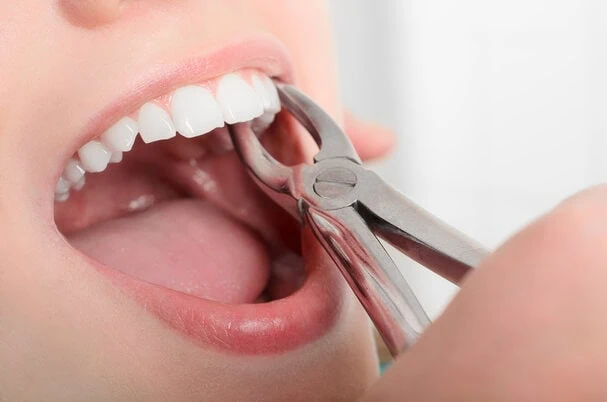
Safe, Comfortable Removal When a Tooth Cannot Be Saved
Tooth extraction removes a severely damaged, infected, or impacted tooth when no restorative option can preserve it, stopping pain and protecting surrounding teeth and bone from further harm. Waiting for a tooth to become irreparable accelerates damage to adjacent teeth and the bone that supports them. For patients managing full schedules between I-680 commutes, afternoon obligations across the Contra Costa corridor, and weekend hikes up Mt. Diablo, dental pain has a way of becoming the problem that cancels everything else on the calendar. Prompt, clearly communicated treatment is how we keep an uncomfortable situation from compounding.
At Cosmetic Dental Spa Ricardo M. Perez, DDS, we offer tooth extractions in Pleasant Hill, CA, with sedation options available for patients who experience anxiety or require a more involved procedure.
What Is a Tooth Extraction?
A tooth extraction is the clinical removal of a tooth from the jawbone socket. Simple extractions address visible, fully erupted teeth that can be loosened and removed with dental instruments. Surgical extractions are used for impacted teeth, those fractured below the gumline, or those positioned in a way that requires access to gum tissue or bone before removal.
Both procedures are performed under local anesthesia, and there are sedation options available for patients with dental anxiety or those undergoing more complex cases. After removal, the treatment plan addresses the gap left behind, whether through an implant, bridge, or denture, based on the patient’s goals and oral health status.
What Can a Tooth Extraction Address?
Severe Decay Beyond Restoration
When a cavity has progressed too far for options such as filling, crown, or root canal, removal prevents the infection from spreading to neighboring teeth or the surrounding bone.
Impacted Wisdom Teeth
Third molars that cannot fully emerge through the gum often become impacted against adjacent teeth, leading to pain, pressure, crowding, and an increased risk of cyst formation and infection. Early wisdom tooth removal reduces complications.
Advanced Gum Disease
Periodontitis that has destroyed the bone supporting a tooth to the point where it is mobile or no longer functional may make extraction the most appropriate path to stop further deterioration and prepare for restoration.
Fractured or Cracked Teeth
Teeth with fractures extending below the gumline or through the root cannot be reliably restored. Removal and replacement with a properly planned restoration is the more stable long-term solution.
Who Is a Tooth Extraction For?
Patients with a tooth confirmed to be non-restorable due to decay, fracture, or periodontal damage
Anyone experiencing pain, swelling, or infection associated with an impacted wisdom tooth
Patients preparing for orthodontic treatment that requires space creation
Individuals with a failing or previously treated tooth that has not healed as expected
Anyone with a tooth that is mobile or structurally compromised by advanced bone loss
When Is Extraction Not the Right Starting Point?
Removal is always considered after restorative options have been evaluated.
The tooth is restorable
A crown, root canal, or buildup may extend the tooth’s functional life significantly. The consultation determines whether restoration is viable before recommending extraction.
You have an active, uncontrolled infection
Significant swelling or spreading infection may require antibiotics to stabilize the area before a procedure is safe to perform.
Medical conditions affect healing
Patients on blood thinners, bisphosphonates, or undergoing certain medical treatments should discuss their full health history before scheduling any surgical procedure.
Our Tooth Removal Process
Examination and Imaging
We review digital X-rays and, where appropriate, 3D imaging to evaluate the tooth’s root anatomy, position relative to nerves and sinuses, and the bone structure surrounding it. This step informs the surgical approach and sedation recommendation.
Anesthesia and Sedation
Local anesthesia is administered to fully numb the area. For patients with anxiety or those undergoing surgical extractions, sedation options are discussed and arranged in advance so the experience is as comfortable as possible.
Extraction
Simple extractions use dental instruments to loosen and remove the tooth from its socket. Surgical extractions involve a small incision to access the tooth, followed by sectioning or bone removal as needed. The site is cleaned and sutured when appropriate.
Post-Procedure Instructions and Follow-Up
Detailed care instructions are provided before you leave. A follow-up visit confirms healing and allows the team to address any concerns before they become complications.
Before and After Your Appointment
Before Your Appointment
- Inform the team of all current medications, particularly blood thinners, aspirin, and any supplements that affect clotting.
- Arrange transportation if sedation will be used. Plan to have someone drive you home and stay with you for the first few hours.
- Avoid eating for several hours before the appointment if IV or oral sedation is planned.
After Your Appointment
- Bite down on the gauze for the recommended time to encourage clot formation. Do not rinse forcefully or use a straw for the first 24 hours.
- Stick to soft, cool foods for the first day or two. Avoid hard, crunchy foods and heat during the initial healing window.
- Contact the office promptly if you experience increasing pain after the first 48 hours, significant swelling, or visible signs of infection.
Why Choose Dr. Perez for Tooth Extractions?
Extractions performed here are part of a treatment continuum, not a one-time procedure in isolation. Dr. Perez’s training in restorative and cosmetic dentistry means every removal is planned with the replacement phase in mind, whether that involves an implant, a bridge, or another solution tailored to your specific anatomy and goals. Patients leave the office with a clear picture of what comes next, not just a gauze pad and a list of restrictions.
The availability of sedation, advanced 3D imaging, and a calm clinical environment makes this practice a practical choice for patients who have been putting off a procedure out of anxiety or uncertainty about the process.
Frequently Asked Questions
When is a tooth extraction necessary?
Extraction is necessary when a tooth cannot be saved through restorative care and poses a risk to surrounding teeth, bone, or overall oral health. Common reasons include severe decay that has destroyed too much tooth structure, impacted wisdom teeth causing pain or infection, and advanced gum disease that has eliminated the bone support the tooth needs to function.
What should you eat after the removal of teeth?
Stick to soft foods like yogurt, eggs, mashed potatoes, and smoothies for the first two to three days. Avoid anything hard, crunchy, or chewy until the extraction site has begun to heal.
How long does it take to heal after a tooth extraction?
Initial soft-tissue healing typically takes 1 to 2 weeks. Complete bone healing takes longer, often several months, which is relevant for patients planning implant placement.
Does Dr. Perez accept insurance?
Yes, extractions are commonly covered as a restorative or surgical procedure, depending on your plan. Coverage varies based on the type of extraction (simple versus surgical), the tooth involved, and whether a prior authorization is required. The team verifies benefits before your appointment.
How much does tooth removal cost?
Cost depends on whether the extraction is simple or surgical, the position of the tooth, imaging needs, and the type of anesthesia used. Factors like sedation and the complexity of root anatomy affect the total. The team will walk you through an estimate at your consultation.
Clear Communication From Diagnosis to Recovery
An extraction does not have to feel uncertain or rushed. A practice that explains exactly what is happening, why, and what comes next makes the process significantly easier to move through. At Cosmetic Dental Spa Ricardo M. Perez, DDS in Pleasant Hill, CA, we take the time to make sure you are informed and comfortable at every step.
Cosmetic Dental Spa Ricardo M. Perez, DDS
Dentistry Powered by Innovation
3D DIGITAL IMAGING
Cone beam imaging captures detailed three-dimensional views of teeth, roots, and bone that standard X-rays cannot provide.
CEREC SAME-DAY CROWNS
Chairside CAD/CAM technology designs and mills permanent ceramic crowns in the office, completing the entire restoration process in a single visit without temporaries or lab waiting periods.
Intra-oral Scanning
Digital impressions replace the discomfort of traditional impression trays with a quick, precise 3D scan of the teeth, supporting planning and accurate treatment previews.
Diode Laser Technology
Laser-assisted procedures enable precise gum contouring, soft tissue treatment, and selected periodontal procedures with reduced bleeding and faster healing.